
If you have ever managed a construction project in New York City, you already know something most people outside the industry never fully understand.
Construction here is not just about building.
It is about building while:
That is exactly why sidewalk shed compliance matters so much.
Many contractors initially look at sidewalk sheds as a simple requirement. But once a project begins, reality quickly changes that perspective.
Because in NYC, a sidewalk shed is not just a structure sitting outside your building.
It becomes part of the daily operation of your entire construction site.
If it is poorly planned, badly installed, improperly maintained, or non-compliant with DOB requirements, the consequences spread fast. Delays begin stacking up. Inspections become stressful. Pedestrian movement becomes chaotic. Site coordination suffers. And eventually, the project timeline starts slipping.
On the other hand, when a sidewalk shed is properly designed and professionally managed, the difference is immediately noticeable. The pedestrian movement stays organized. Site activity flows more smoothly. Inspections become easier to manage. And the entire project operates with far less friction.
That is why understanding compliance is not optional for NYC contractors anymore. It is operationally critical.
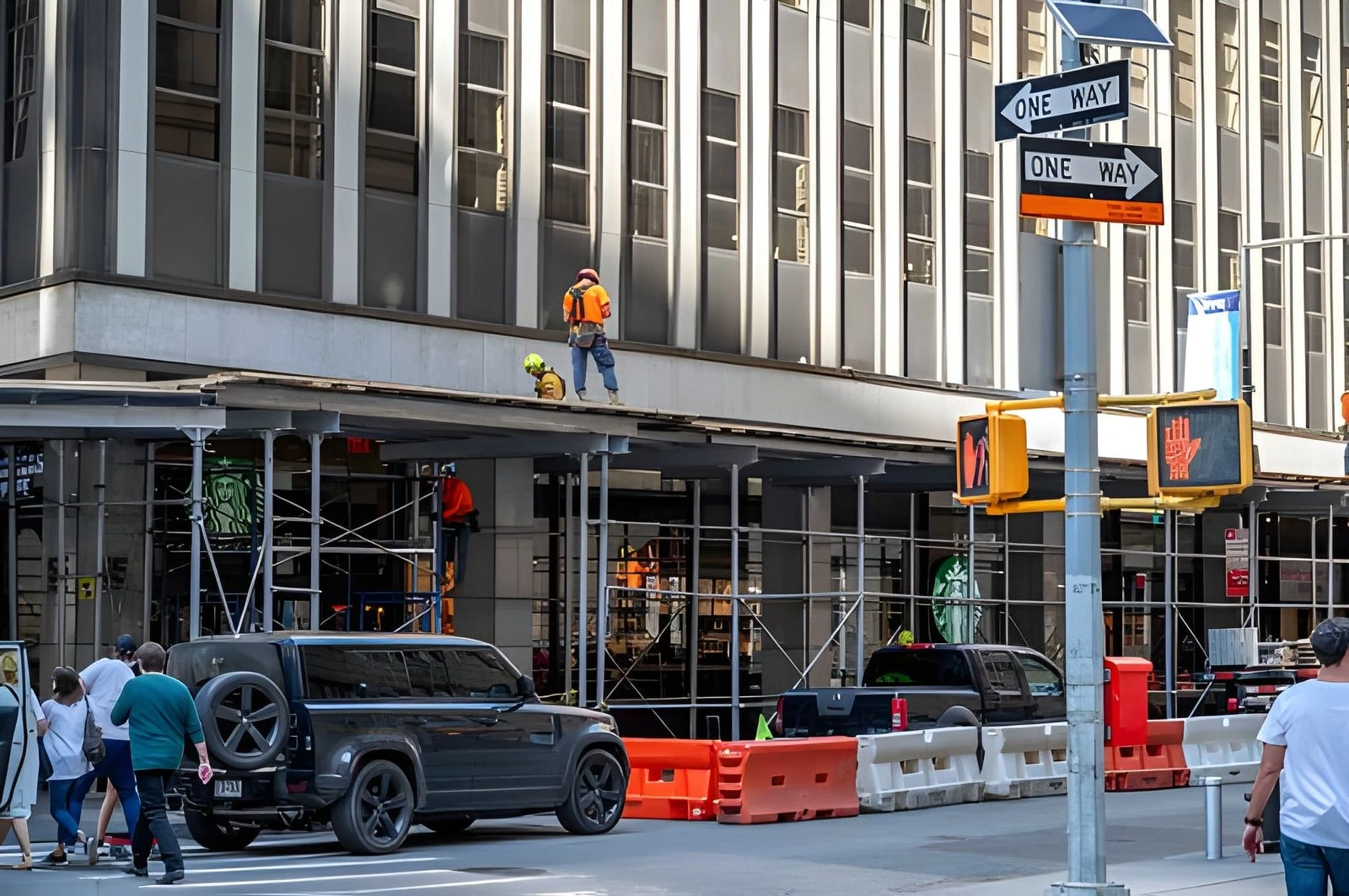
One of the biggest mistakes people make is assuming sidewalk shed compliance is mainly about avoiding violations.
In reality, compliance affects almost every part of your project.
Think about what happens on a typical NYC construction site. Crews are moving materials constantly. Workers are operating above street level. Pedestrians are walking only a few feet away from active construction zones. Deliveries are arriving while nearby businesses continue operating.
Now imagine trying to manage all of that without proper protection systems in place.
That is where sidewalk sheds become essential.
A properly compliant system helps create order around an active site. It protects pedestrians from overhead hazards, supports safer movement around the property, and reduces the operational pressure that comes with working in dense urban environments.
More importantly, it helps prevent disruptions that slow projects down.
And in NYC construction, delays are expensive.
A failed inspection does not just create paperwork problems. It can affect subcontractor scheduling, material coordination, labor costs, site access, and project deadlines. Even a short interruption can create a chain reaction across multiple phases of work.
That is why experienced contractors treat sidewalk shed compliance as part of project management itself rather than just another DOB requirement.
NYC Department of Buildings regulations are strict for a reason.
The city deals with some of the busiest pedestrian environments in the country. Construction often happens directly beside apartment entrances, retail storefronts, restaurants, office buildings, transportation routes, and crowded intersections.
Because of this, sidewalk sheds are expected to do far more than simply “cover the sidewalk.”
A compliant system must remain structurally reliable throughout the entire project. It must provide safe pedestrian protection, maintain visibility, support organized foot traffic, and continue functioning properly even as construction conditions evolve around it.
That last part is important.
Construction sites constantly change.
Work areas shift. Equipment moves. Materials are relocated. Timelines extend. Access points change. And weather conditions affect structural components over time.
A sidewalk shed that was fully compliant on day one can eventually become problematic if nobody is actively monitoring it.
This is why experienced sidewalk shed providers focus heavily on long-term site integration instead of just installation. The goal is not simply to put up a structure. The goal is to create a system that continues supporting safe and efficient site operations throughout the project lifecycle.
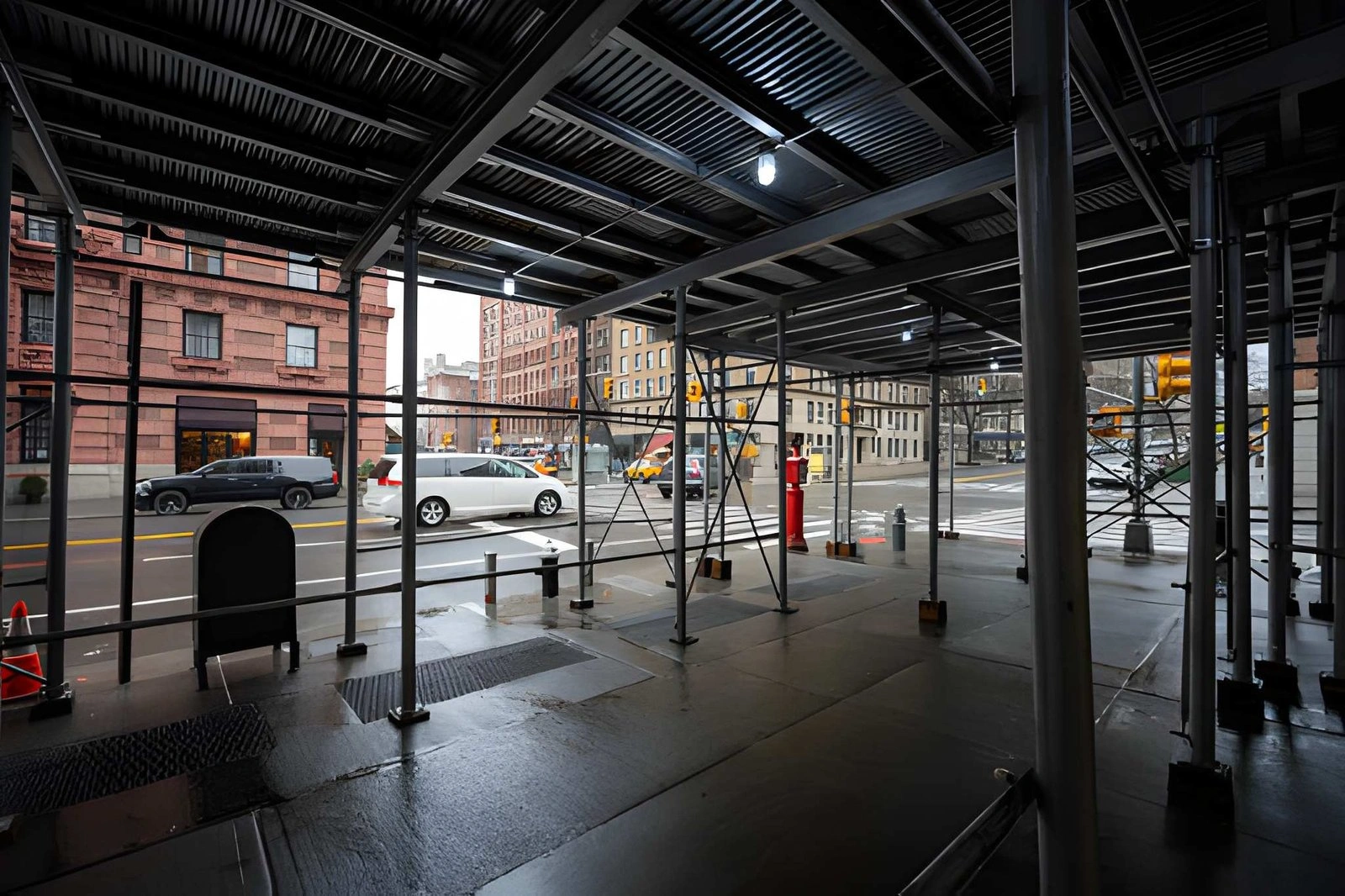
Most compliance problems do not start with catastrophic failures.
They usually begin with smaller operational oversights that gradually become larger issues.
One of the most common problems is poor initial planning.
Some projects move too quickly into installation without fully evaluating pedestrian movement, delivery access, nearby businesses, traffic flow, or site logistics. On paper, the setup may appear functional. But once construction activity intensifies, the system starts interfering with daily operations.
Suddenly, pedestrian traffic becomes congested. Deliveries become difficult to coordinate. Visibility issues appear around entrances or intersections. Crews begin working around limitations that should have been solved during the planning phase.
Another major issue is neglecting maintenance.
NYC construction environments are demanding. Sidewalk sheds are exposed to weather, vibration, heavy use, and constant operational activity. Over time, lighting systems fail, components loosen, and sections experience wear that requires attention.
Ignoring those issues is where violations often begin.
And then there is coordination.
This is one area many people underestimate.
A sidewalk shed does not operate independently from the rest of the site. It affects access routes, pedestrian circulation, deliveries, staging areas, and work sequencing. Without proper coordination between contractors, supervisors, and installation teams, even well-built systems can become operational obstacles instead of solutions.
A project in Manhattan faces different challenges than a residential project in Queens. A busy corridor in Brooklyn behaves differently from a high-traffic site in the Bronx. That is why generic solutions often fail.
The surrounding environment changes everything:
Experienced contractors know the real challenge is not simply installing a sidewalk shed. The challenge is integrating it into a live urban environment without disrupting construction workflow or public movement.
That requires site-specific planning.
The best sidewalk shed systems are designed around actual site behavior rather than theoretical layouts. They adapt to the realities of the project instead of forcing the project to adapt to the structure.
That difference becomes incredibly important once construction activity reaches full speed.
Many people think non-compliance only leads to fines. But in practice, the financial impact is much larger.
When compliance issues appear, projects often experience:
What makes this worse is how quickly delays compound in NYC construction.
A single unresolved issue can disrupt multiple moving parts simultaneously. Crews wait. Deliveries get rescheduled. Access changes create confusion. Timelines begin shifting across the project.
And all of this usually costs far more than proactive compliance management would have.
This is why experienced developers and contractors prioritize reliable sidewalk shed systems from the beginning rather than treating them as secondary infrastructure.
Strong compliance always begins before installation.
The most successful projects spend time evaluating how the site actually functions before any structural decisions are made.
This planning stage is where experienced teams identify operational risks early before they become expensive field problems later.
A properly planned sidewalk shed should feel integrated into the construction process rather than added onto it afterward.
When planning is done correctly, the entire site operates more smoothly because fewer obstacles appear during active construction.
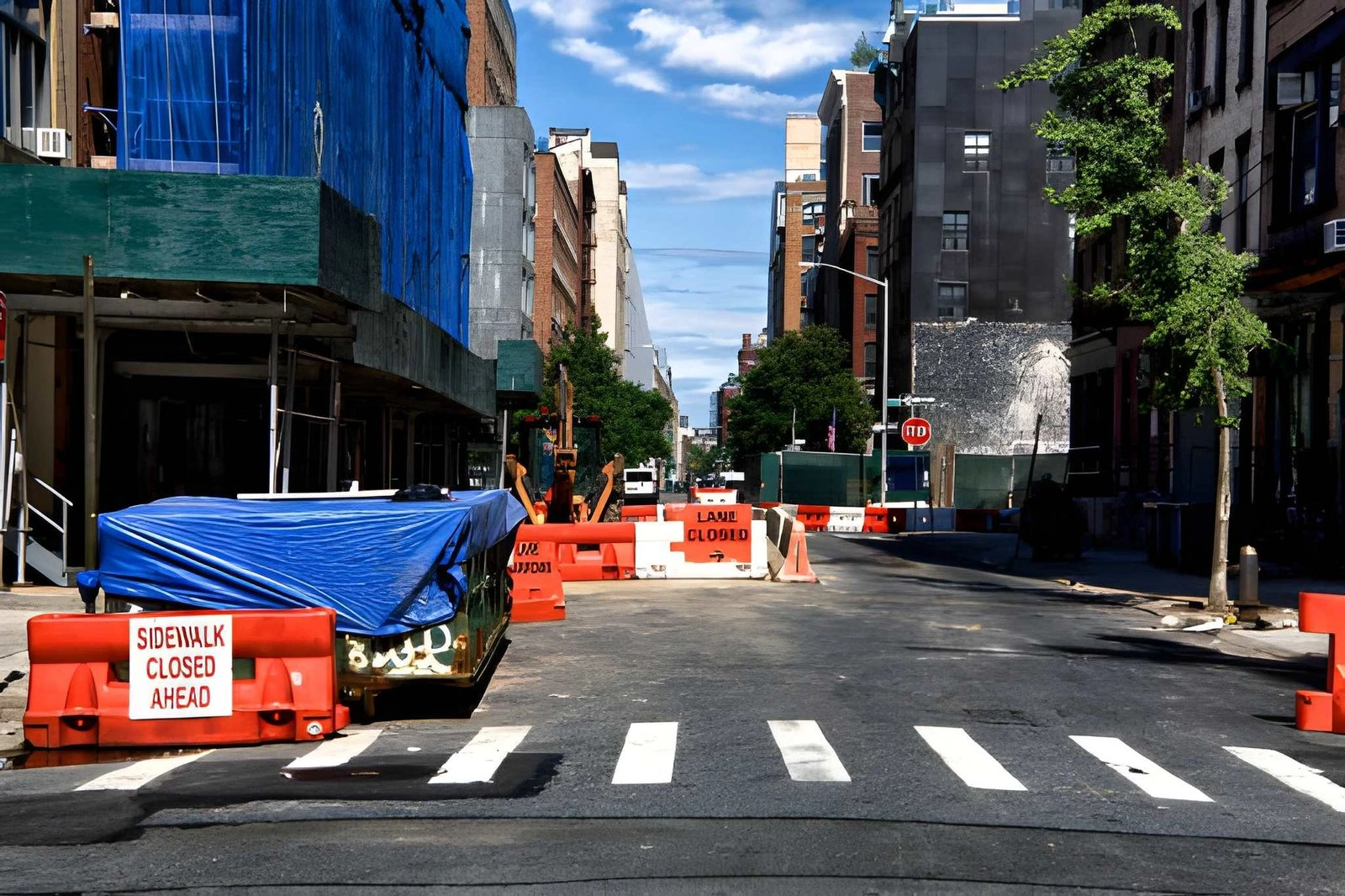
One of the biggest misconceptions in construction is that installation is the most important part of compliance.
It is not.
Long-term maintenance and inspections matter just as much.
Construction environments change constantly, which means sidewalk sheds require ongoing monitoring throughout the project. Structural conditions, lighting systems, anchoring stability, and pedestrian pathways all need regular evaluation to ensure the system continues functioning safely.
Routine inspections help identify issues early before they evolve into violations or operational disruptions.
More importantly, they help contractors maintain confidence that the project remains aligned with DOB expectations as site conditions evolve.
This proactive approach significantly reduces stress during inspections and helps projects avoid unnecessary interruptions later.
In NYC construction, experience matters more than most people realize.
A reliable sidewalk shed partner does more than install temporary structures. They understand how construction sites actually operate inside complex urban environments.
That includes understanding:
The right team helps identify problems before they slow the project down. They provide ongoing support as conditions change and ensure the system continues performing properly throughout the duration of construction.
That level of operational understanding is what separates professional execution from basic installation work.
Ensuring sidewalk shed compliance in NYC is not simply about satisfying regulations.
It is about protecting the public, maintaining operational control, reducing project friction, and keeping construction moving efficiently in one of the most demanding construction environments in the world.
The contractors who manage this successfully understand something important early on:
A sidewalk shed is not just a temporary structure.
It is part of the overall system that keeps the entire project functioning safely, professionally, and without unnecessary disruption. And in NYC construction, that can make a bigger difference than most people expect.
A sidewalk shed needs updates whenever site conditions change from the original approved plan. This can happen when construction moves to a new phase or access points shift. Even small changes in staging areas or pedestrian flow can create compliance gaps. In NYC, the shed must always reflect real site conditions, not outdated drawings. Any mismatch can lead to violations from the New York City Department of Buildings.
Before installation, contractors must have approved DOB filings and stamped engineering drawings. Permits must be issued specifically for the shed structure. The design must clearly show clearance height, support layout, and pedestrian routing. Without these approvals, installation is not legally allowed. Any deviation from approved plans requires revised submissions.
Inspections are often triggered by public complaints or visible safety concerns. Issues like poor lighting, blocked sidewalks, or damaged components draw attention quickly. Active construction permits in busy areas also increase inspection frequency. Routine DOB site visits may include shed checks as part of broader enforcement. Even minor hazards can escalate into formal violations.
Yes, sidewalk sheds must also comply with NYC DOT requirements if they impact streets or curb usage. This includes loading zones, traffic lanes, or pedestrian detours. Coordination is needed when street permits or lane closures are involved. Misalignment between DOB and DOT approvals can delay the project. Both agencies must be considered in planning.
Serious delays usually come from structural instability or unsafe pedestrian pathways. Missing supports, weak anchoring, or collapsed sections are high-risk issues. Unapproved modifications to the shed design also create major compliance problems. Blocked sidewalks or reduced clearance can trigger stop-work conditions. These violations often halt construction until corrections are made.

Supporting NYC construction projects with safe, code-compliant sidewalk shed and temporary protection systems built for real job site conditions.
Services Areas
Our Services
Contact
2026 Copyright © Sidewalk Shed Company